
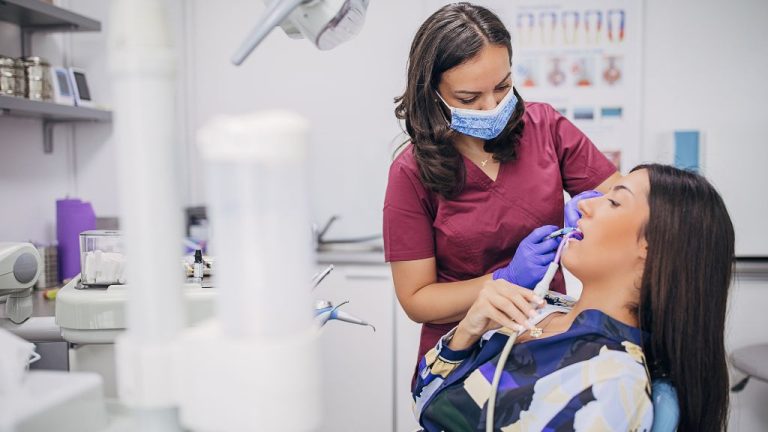
In the evolving landscape of dentistry, effective communication with patients is crucial. With the rapid advancement of dental technology, practices now have access to a wide range of tools that can significantly enhance the way they interact with patients.
From scheduling appointments to explaining procedures, dental software solutions, and tech-driven patient care are transforming the patient experience, making it more personalized, efficient, and engaging.
In this blog, we’ll explore how dental technology is shaping patient communication and why it is vital for modern dental practices.
-
Digital Patient Engagement
Digital patient engagement has revolutionized how dental practices connect with their patients. With the rise of mobile apps, text reminders, and online portals, patients can now access important information from the comfort of their homes, at any time.
This level of engagement allows dental practices to foster a more proactive approach to patient care. For example, online appointment scheduling and automated reminders minimize no-shows, ensuring smoother practice operations and better patient management.
Through digital engagement, patients also feel more in control of their oral health journey. They can easily communicate with their dentist, ask questions, and receive prompt answers, which builds trust and improves the overall patient experience.
Furthermore, digital tools allow for sharing educational resources, such as videos or infographics, to help patients better understand treatments and the importance of oral hygiene.
-
Enhanced Communication Through Dental Software Solutions
The use of dental software solutions plays a key role in enhancing patient communication. From the moment a patient steps into a practice, these systems help streamline interactions and ensure that all relevant information is readily available.
Practice management software, for example, offers tools to track patient appointments, treatment history, and billing information in one centralized platform, making it easier to answer patient inquiries and provide detailed updates on their treatment plans.
Moreover, many dental software solutions come equipped with patient communication tools that allow practices to send automated follow-up messages after a procedure or appointment, ensuring patients are kept in the loop regarding their care.
These systems can also integrate with secure patient portals, where individuals can log in to review their medical records, access post-procedure instructions, and make inquiries without needing to visit the office.
By reducing the need for in-person communication and providing remote access to vital information, dental software enhances convenience and ensures more efficient patient care.
-
The Role of Tech-Driven Patient Care
Advancements in technology have also introduced a new era of tech-driven patient care that enhances how dentists communicate with their patients.
Dental imaging technology, for instance, allows for more precise diagnosis and treatment planning. High-definition intraoral cameras and digital X-rays give patients a clear view of their oral health, enabling them to better understand the need for certain treatments.
This visual communication can help break down complex dental procedures, making it easier for patients to grasp their treatment options. When patients can see and understand the exact condition of their teeth and gums, they are more likely to make informed decisions regarding their care. This transparency leads to increased trust and satisfaction, as patients feel that their dentist is genuinely invested in their health.
Virtual consultations are another significant development in tech-driven patient care. With the help of telehealth solutions, dentists can now conduct virtual appointments, allowing patients to receive professional advice without needing to come into the office.
This not only reduces the strain on in-office scheduling but also offers a convenient option for patients who might have mobility issues, live far from the practice, or prefer remote consultations.
-
Patient Communication Tools for a Personalized Experience
Technology has paved the way for highly customizable patient communication tools that allow dental practices to cater to individual patient needs.
Whether through email campaigns, SMS reminders, or personalized treatment updates, communication tools enable practices to stay connected with their patients between visits. These tools offer a personal touch by ensuring that communication is relevant and timely.
For instance, many patient management platforms allow dentists to set reminders for routine cleanings, follow-up appointments, or even birthday messages. These small gestures can greatly enhance the patient experience, building stronger relationships between the dentist and the patient.
Moreover, communication tools can help address patient anxiety. For patients who may be nervous about dental visits, especially those undergoing complex procedures, providing clear and consistent communication can be a game-changer.
Sending out informative content, such as step-by-step explanations of what to expect before a procedure or post-care instructions, helps alleviate concerns and provides reassurance.
-
Improving Workflow Efficiency and Patient Satisfaction
Streamlining communication through technology doesn’t just benefit the patient—it also enhances the workflow efficiency of the dental practice.
Automated appointment reminders, easy-to-use scheduling tools, and instant access to patient data reduce the administrative burden on staff, allowing them to focus more on patient care.
In addition, patients appreciate the convenience that these tools bring. With features like online appointment booking and real-time access to their dental records, patients enjoy a smoother experience that caters to their needs. This satisfaction often leads to positive reviews and referrals, further strengthening the practice’s reputation.
Conclusion
Dental technology is reshaping the way patient communication is handled within practices. From digital patient engagement to the integration of dental software solutions and the rise of tech-driven patient care, these advancements enable more effective, transparent, and personalized communication with patients.
The use of patient communication tools not only enhances patient satisfaction but also improves the overall efficiency of dental practices, fostering better relationships between dentists and patients.
As the dental industry continues to evolve, adopting these technologies will be essential for practices that aim to provide top-tier care while staying connected with their patients.
Instagram – @cheerdental_
Facebook – @Cheerdental