
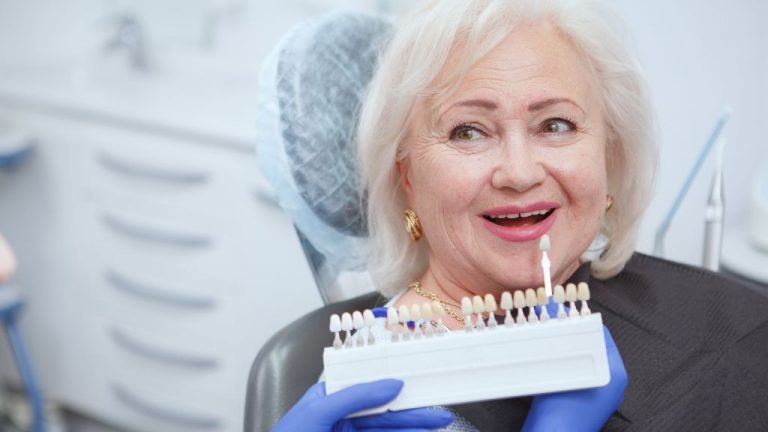
Aging brings about many changes, and dental health is no exception. As we grow older, maintaining good oral hygiene becomes both increasingly vital and challenging.
In this post, let’s explore common dental issues faced by seniors, offer practical oral hygiene tips for elderly individuals, and highlight effective dental care solutions for aging adults.
Common Dental Issues in Seniors
Tooth Decay and Cavities Tooth decay is a prevalent issue among seniors, often worsened by reduced saliva production (dry mouth), which can occur due to medications or certain health conditions. Saliva naturally cleans the mouth, so when it’s limited, the risk of cavities increases.
Gum Disease or periodontal disease, is another common dental problem in older adults. As gums recede with age, they expose more of the tooth structure, leaving teeth vulnerable to bacteria. Advanced gum disease can lead to tooth loss, which can significantly impact a senior’s quality of life.
Tooth Sensitivity Tooth enamel wears down over time, leading to increased sensitivity to hot and cold temperatures. This can make eating certain foods uncomfortable and affect an individual’s nutrition.
Dry Mouth Often a side effect of medications, dry mouth is a significant issue for seniors. It can lead to tooth decay and infection if left unmanaged.
Tooth Loss Due to cumulative damage from decay or periodontal disease, tooth loss is common among elderly adults. Missing teeth can affect speech, chewing, and self-esteem.
Oral Cancer The risk of oral cancer increases with age, making regular dental check-ups crucial for early detection. Seniors should be particularly mindful of any unusual sores, lumps, or discolorations in the mouth, as early diagnosis can improve treatment outcomes.
Oral Hygiene Tips for Elderly Individuals
Proper oral hygiene can make a substantial difference in preventing these common dental issues. Here are some key practices:
Brush and Floss Regularly Seniors should brush at least twice a day using a soft-bristled toothbrush to protect sensitive gums. Flossing once daily helps remove food particles and plaque that toothbrushes can’t reach, especially around the gumline.
Use Fluoride Toothpaste and Mouthwash Fluoride is beneficial for strengthening tooth enamel and preventing decay. Seniors should opt for fluoride toothpaste and consider using an alcohol-free fluoride mouthwash for added protection.
Stay Hydrated Drinking water frequently helps combat dry mouth. Seniors should try to sip water throughout the day to maintain moisture in their mouths and avoid drinks that exacerbate dryness, like caffeine and alcohol.
Clean Dentures Daily For seniors with dentures, daily cleaning is essential to remove bacteria and food particles. Dentures should be cleaned with a non-abrasive denture cleaner and left out at night to allow the gums to rest.
Eating a Nutrient-Rich Diet Nutrition plays a role in oral health. Seniors should consume foods rich in vitamins and minerals, such as calcium and vitamin D, which support healthy teeth and gums. Avoiding sugary snacks and acidic drinks can also help prevent tooth decay.
Dental Care Solutions for Aging Adults
Regular Dental Check-Ups Dental visits should not be skipped. Regular check-ups allow dentists to monitor and address issues before they worsen. Dental professionals can also perform cleanings that are difficult to achieve with home care alone, especially for seniors who may struggle with dexterity.
Saliva Substitutes and Hydrating Rinses There are over-the-counter saliva substitutes and special hydrating mouth rinses that help alleviate dry mouth. Seniors should consult with their dentist to find the most suitable products, especially if they take medications that cause dryness.
Fluoride Treatments Professional fluoride treatments can help strengthen tooth enamel and protect against cavities. These are often recommended for seniors, particularly those at a higher risk of decay.
Dental Sealants and Bonding While dental sealants are more commonly associated with children, they can be used on seniors to protect exposed areas of the teeth. Dental bonding, a process that applies tooth-colored material to cover exposed roots or damaged areas, can help with sensitivity and improve appearance.
Dentures and Implants For seniors who have experienced tooth loss, options like dentures and dental implants can restore function and aesthetics. Dentures are affordable and replace missing teeth, while dental implants offer a more permanent solution and closely mimic natural teeth.
Oral Cancer Screenings An essential part of senior oral health care is regular screenings for oral cancer. Dentists often perform these during routine check-ups, which makes it even more crucial for seniors to maintain their regular dental visits.
The Importance of Senior Oral Health Care
Oral health impacts overall health, and this connection becomes even more significant as we age. Poor dental health can increase the risk of systemic conditions like heart disease, diabetes, and respiratory infections. By being proactive with senior oral health care, seniors can improve their quality of life and avoid complications.
Conclusion
While aging presents unique dental challenges, proper care and preventive measures can keep common issues at bay. By staying vigilant with oral hygiene, visiting the dentist regularly, and utilizing available dental care solutions, seniors can maintain a healthy smile well into their later years.
Whether it’s brushing consistently or opting for a saliva substitute, every small step adds up to better oral health and overall wellness.