
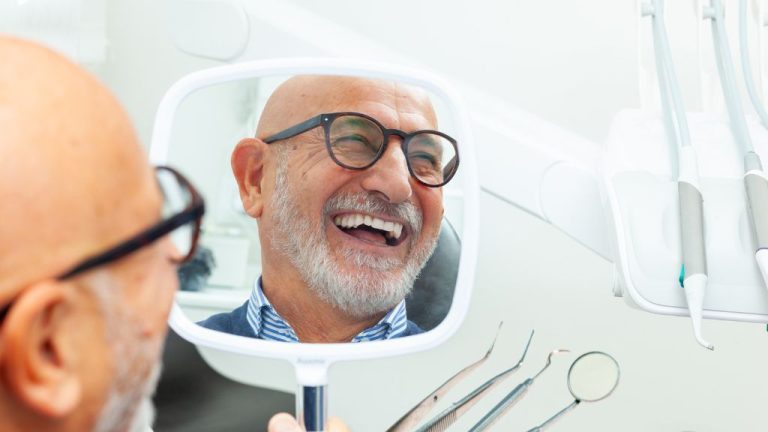
Aging is a natural part of life, and with it comes a unique set of challenges—including maintaining a healthy, functional smile. As we grow older, our bodies undergo physiological changes, and our mouths are no exception. Gums may begin to recede, teeth can become more brittle, and the cumulative effects of years of wear and tear become more apparent.
In this golden era of life, dental care isn’t just a luxury or a cosmetic concern; it is a clinical necessity. This guide explores why oral health is a pillar of healthy aging, the common obstacles seniors face, and the modern dental solutions available to ensure you or your loved ones can smile with confidence for years to come.
Why Senior Oral Health is a Total-Body Priority
Oral health is inextricably linked to systemic health. In seniors, the mouth acts as a gateway; when it is neglected, the repercussions are felt throughout the entire body. Neglecting oral hygiene in the later years can contribute to serious conditions, including:
-
Heart Disease: Chronic inflammation from gum disease is linked to an increased risk of heart attack and stroke.
-
Diabetes Complications: Gum disease can make it harder to control blood sugar levels, creating a dangerous cycle for diabetic patients.
-
Respiratory Infections: Bacteria from infected teeth and gums can be inhaled into the lungs, potentially causing pneumonia—a leading cause of hospitalization in seniors.
-
Nutritional Deficiencies: Missing teeth or painful dentures make it difficult to chew fiber-rich fruits and vegetables, leading to poor nutrition.
According to the Centers for Disease Control and Prevention (CDC), nearly 1 in 5 adults aged 65 and older have untreated tooth decay. These statistics highlight the urgent need for specialized Senior Dental Health Services.
Common Dental Challenges in the Golden Years
Understanding the specific oral health concerns that come with aging is the first step toward effective prevention and treatment.
1. Dry Mouth (Xerostomia)
This is perhaps the most common issue for seniors. While not a direct result of aging, it is a side effect of over 400 common medications used for hypertension, depression, and pain. Saliva is the mouth’s natural defense; without it, the risk of rapid-onset cavities and oral infections skyrockets.
2. Gum Disease and Recession
Years of aggressive brushing or naturally occurring recession can expose the tooth roots. Unlike the crown of the tooth, the root has no enamel protection, making it highly susceptible to “root caries” (cavities on the root).
3. Tooth Loss and Bone Resorption
When a tooth is lost and not replaced, the jawbone begins to shrink (resorb). This can alter the facial structure, leading to a “sunken” appearance and making it even harder to fit dentures in the future. Replacing missing teeth is crucial for maintaining the structural integrity of the jaw.
4. Oral Cancer
The average age of most people diagnosed with cancer of the mouth, tongue, or throat is 62. Regular screenings during dental checkups are the only way to catch early signs when they are most treatable.
Practical At-Home Tips for Seniors and Caregivers
Daily routines make a significant difference in maintaining a healthy mouth. If you are a senior or a caregiver, implement these strategies:
-
Switch to an Electric Toothbrush: For those with arthritis or limited manual dexterity, an electric toothbrush does the heavy lifting, ensuring a thorough clean with less effort.
-
Hydrate for Saliva Production: Sip water throughout the day. If dry mouth is severe, use over-the-counter saliva substitutes or oral rinses designed for dry mouth.
-
Clean Dentures Daily: Dentures should be removed for at least 8 hours a day (usually at night) to allow the gum tissue to breathe. Clean them with a non-abrasive cleanser—never toothpaste, which can scratch the acrylic.
-
Interdental Cleaning: If flossing is difficult, use interdental brushes or a water flosser to remove plaque from between the teeth.
Modern Dental Solutions: Restoring Function and Confidence
Today’s dentistry offers more comfortable and natural-looking options than ever before.
Dental Implants
Implants are the gold standard for tooth replacement. They act as artificial roots, preventing bone loss and providing a fixed solution that feels just like a natural tooth. For seniors who qualify, they offer a lifetime of stability.
Implant-Supported Dentures
Often called “snap-in” dentures, these are a hybrid solution. Two to four implants are placed in the jaw to “snap” the denture into place, eliminating the need for messy adhesives and preventing the denture from slipping while speaking or eating.
Crown and Bridgework
For teeth that are cracked or heavily decayed but still have healthy roots, Crowns and Bridges can restore function and prevent further breakage.
Frequently Asked Questions (FAQ)
Q1: Is it too late to get dental implants if I’ve worn dentures for years?
Not necessarily. While bone loss occurs over time, a periodontist can often perform a bone graft to rebuild the foundation needed for successful implants.
Q2: Does Medicare cover my dental visits?
Standard Medicare (Parts A and B) generally does not cover routine dental care. However, many Medicare Advantage (Part C) plans include dental benefits. It is worth checking your specific policy.
Q3: Why are my teeth turning yellow? Is it just staining?
As we age, the white enamel thins, allowing the yellow dentin underneath to show through more clearly. While whitening can help, some yellowing is a natural part of the aging process of tooth structure.
Q4: How often should I see a dentist if I have full dentures?
You should still visit at least once a year. The dentist needs to check the fit of your dentures, perform an oral cancer screening, and examine your gum health.
Q5: What can I do about persistent sores under my dentures?
Sores are often a sign that your dentures no longer fit properly due to jawbone changes. A simple “reline” at the dental office can often fix the fit and eliminate the irritation.
Conclusion: A Smile for a Lifetime
A healthy smile in your senior years enhances more than just your appearance—it boosts self-confidence, facilitates social interaction, and protects your physical health. With modern dental solutions and a committed daily routine, aging does not have to mean losing your teeth.
Whether you’re seeking affordable dentures or considering a permanent solution like implants, prioritize your oral health today. Every smile deserves to age gracefully.
Ready to reclaim your smile? Schedule a senior-focused dental consultation today and embrace the golden years with confidence.