
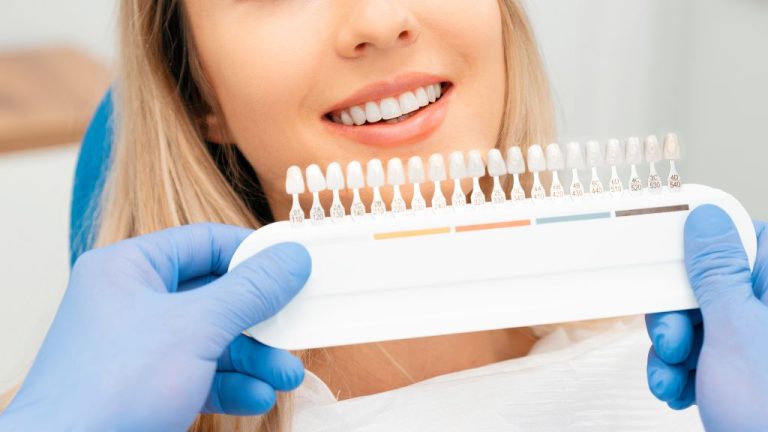
Can I White Porcelain Dental Crown? Expert Advice You Need
Porcelain Dental Crown is an excellent solution for restoring damaged or weakened teeth, offering durability and a natural appearance. However, one common concern among patients is whether Porcelain Dental Crowns can be whitened like natural teeth.
If you have noticed that your crown no longer matches the shade of your natural teeth, you may be wondering what options are available. In this blog, we will discuss whether you can whiten Porcelain Dental Crown explore alternatives, and highlight safe Porcelain Dental Crown options, including those suitable for individuals with metal allergies.
Can You Whiten a Porcelain Dental Crown?
Unlike natural teeth, which contain porous enamel that absorbs stains, Porcelain Dental Crowns are made from non-porous materials such as porcelain, zirconia, or composite resin. Because of this fundamental difference, traditional teeth whitening treatments, including over-the-counter whitening kits and professional bleaching procedures, do not work on crowns. If your crown has become discolored over time, alternative approaches may be necessary.
Why Do Porcelain Dental Crowns Become Discolored?
Even though crowns do not stain as easily as natural teeth, they can still experience discoloration due to several reasons:
- Aging and Wear: The glaze on porcelain crowns can wear down over time, making them more susceptible to staining.
- Exposure to Staining Substances: Beverages such as coffee, tea, and red wine, as well as habits like smoking, can cause external discoloration.
- Changes in Natural Teeth Shade: If you whiten your natural teeth but not your crown, the mismatch in color may become noticeable.
What Are Your Options If Your Crown Looks Discolored?
Since traditional whitening treatments do not work on Porcelain Porcelain Dental Crowns, here are some alternative solutions:
Professional Cleaning and Polishing-If your crown has surface stains, a professional dental cleaning can remove minor discoloration. Dentists use special polishing techniques to restore the shine and appearance of the crown.
Replacing the Crown-If your crown has significantly darkened or no longer matches your natural teeth, replacing it may be the best option. A new crown can be crafted to match your desired tooth shade and ensure uniformity in your smile.
Whitening Your Natural Teeth Before Getting a Crown-If you plan to whiten your teeth, do so before getting a new crown. Your dentist can then match the crown to your newly whitened teeth for a seamless look.
Safe Porcelain Porcelain Dental Crown Options for Those with Metal AllergiesSome individuals may experience allergic reactions to metal-based crowns. If you have a metal allergy, it is essential to choose hypoallergenic Porcelain Dental Crowns that will not trigger a reaction.Here are some of the best crowns for metal allergies:
Zirconia Crowns- A popular choice for those looking for non-metal Porcelain Dental Crown options. It is biocompatible, durable, and resistant to staining, making it one of the safest materials for individuals with metal allergies.
Porcelain Crowns- Porcelain crowns are entirely metal-free and provide a natural appearance. They are a great alternative for those with metal allergies and are resistant to staining and wear.
Composite Resin Crowns-Composite resin crowns are another safe Porcelain Dental Crown option for allergies. Although they are less durable than zirconia or porcelain, they are an affordable choice for those who need a metal-free solution.How to Maintain Your Porcelain Dental Crown’s Appearance to keep your crown looking its best and avoid unnecessary discoloration, follow these tips:
Practice Good Oral Hygiene: Brush twice a day with non-abrasive toothpaste and floss daily to maintain oral health and prevent plaque buildup.
Avoid Staining Foods and Beverages: Limit consumption of coffee, tea, red wine, and other dark-colored foods that can stain your natural teeth and make your crown stand out.
Schedule Regular Dental Checkups: Visit your dentist at least twice a year for professional cleanings and to ensure your crown remains in good condition.
Use a Soft-Bristle Toothbrush: This will help prevent excessive wear on the crown’s surface and extend its lifespan.Final Thoughts
If you are considering a new crown, consult your dentist to explore the best crowns for metal allergies and find the most suitable non-metal Porcelain Dental Crown options for your needs. By taking the right precautions and choosing high-quality materials, you can enjoy a bright, healthy, and allergy-free smile for years to come.Follow Cheer Dental on social media for more updates, expert dental advice, and smile care tips.
Instagram – @cheerdental_
Facebook – @Cheerdental