
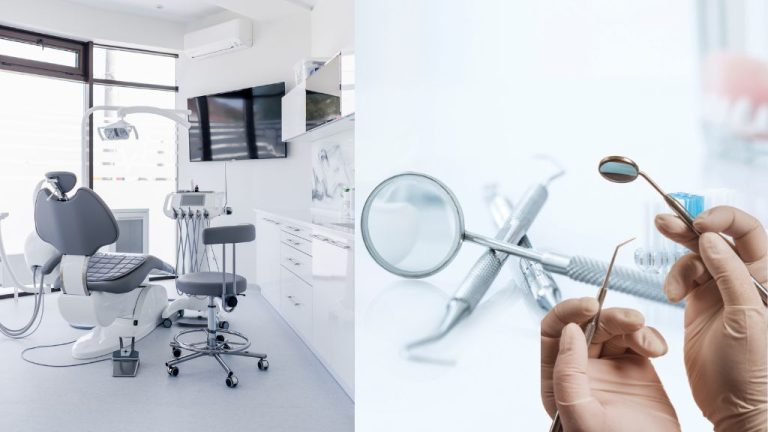
The dental industry is evolving rapidly, driven by advancements in technology. Incorporating cutting-edge tools for dental practices not only enhances patient care but also improves efficiency and competitiveness. However, successfully adopting advanced dental technology requires strategic planning and a step-by-step approach.
Here’s how dental practitioners can seamlessly integrate modern dental equipment into their practices.
- Assess Your Practice’s Needs
Before investing in new tools, evaluate your current capabilities and areas where improvement is needed. Consider patient feedback, staff suggestions, and operational bottlenecks. This assessment will help identify the most beneficial innovative dental practice tools to prioritize.
Ask: Are you struggling with patient diagnostics? Do you need tools to improve chairside efficiency or enhance cosmetic procedures?
Conduct surveys or audits to pinpoint specific gaps in your services.
- Research Cutting-Edge Dental Technologies
Stay informed about the latest trends and advancements in dentistry. Explore technologies such as 3D imaging, CAD/CAM systems, laser dentistry, and AI-powered diagnostic tools.
Attend industry conferences, webinars, or dental expos to get hands-on experience with modern dental equipment integration.
Consult with peers and read case studies on how specific tools have transformed other practices.
Key tools to consider:
Digital scanners for accurate impressions.
Laser technology for minimally invasive treatments.
Smart patient management systems for streamlined operations.
- Evaluate Return on Investment (ROI)
Adopting advanced dental technology is a financial commitment. To make informed decisions, calculate the potential ROI:
How much time will this equipment save in procedures?
Will it attract more patients due to enhanced services?
Can it reduce overhead costs, such as labor or material expenses?
For example, investing in a digital X-ray system might seem costly initially, but its efficiency, reduced radiation, and faster diagnostics can attract tech-savvy patients and boost overall revenue.
- Plan for Seamless Integration
Successful modern dental equipment integration depends on careful planning. Create a roadmap that includes:
Training schedules for your team.
Adjustments to office layouts to accommodate new tools.
Updates to your practice management software to support new workflows.
For example, integrating a chairside CAD/CAM system requires training in software use and adjustments in patient scheduling to utilize same-day dentistry capabilities effectively.
- Invest in Staff Training
Your team is central to the success of new technology adoption. Comprehensive training ensures that staff members feel confident and competent when using innovative dental practice tools.
Arrange hands-on training sessions provided by equipment vendors.
Offer ongoing education through workshops or e-learning platforms.
Designate a tech champion—a team member responsible for troubleshooting and mentoring others.
- Communicate Benefits to Patients
Patients may be hesitant or unaware of the advantages offered by cutting-edge tools for dental practices. Educate them about how these technologies improve their experience.
Highlight reduced treatment times, improved accuracy, or enhanced comfort in your communication.
Use your website, social media, and in-office materials to showcase new capabilities.
For instance, if you’ve invested in laser dentistry, explain how it results in faster healing, less pain, and minimized bleeding compared to traditional methods.
- Test and Optimize
Before rolling out new technology fully, conduct trial runs to identify any operational challenges.
Start with a small patient group to refine workflows and identify improvement areas.
Collect feedback from staff and patients to make necessary adjustments.
Optimization is an ongoing process. Periodically review how the tools are performing and whether further tweaks or additional training are needed.
- Stay Compliant with Industry Standards
Ensure that your new equipment and procedures comply with regulatory standards. Consult with dental associations or governing bodies to stay updated on certification and maintenance requirements. Proper documentation is crucial to avoid legal or insurance complications.
- Measure and Showcase Success
After adopting advanced dental technology, track its impact on your practice. Use key performance indicators (KPIs) such as reduced procedure times, increased patient satisfaction, and revenue growth to evaluate success.
Share case studies or testimonials highlighting positive outcomes.
Use data to justify further investments in technology and to build trust among patients.
Conclusion
Adopting advanced dental technology is a strategic move that can revolutionize your practice. From understanding your needs to integrating and optimizing modern dental equipment, each step plays a vital role in ensuring success. By embracing innovative dental practice tools, dentists can elevate patient care, improve operational efficiency, and position themselves as leaders in modern dentistry.
Take the leap today and future-proof your practice with the right technology!
Instagram – @cheerdental_
Facebook – @Cheerdental