
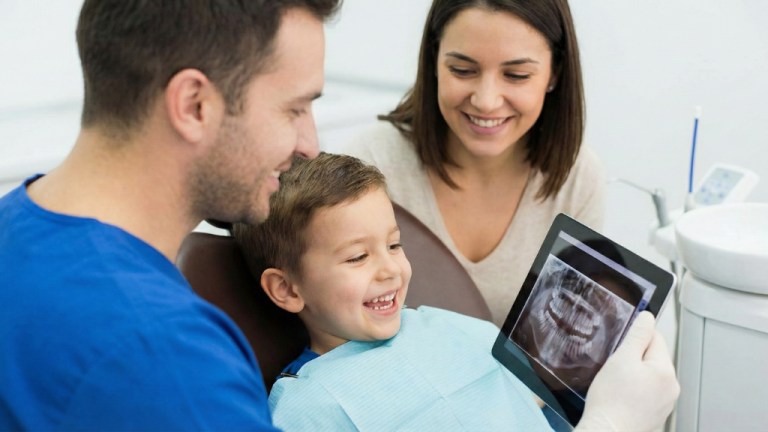
Parents frequently ask when they should begin considering their child’s tooth alignment. An early orthodontic evaluation, ideally by age 7, can spot issues like overcrowding or bite problems before they worsen. This simple step from a trusted San Jose general dentist sets the foundation for a lifetime of confident smiles.
Spotting problems early means less invasive treatments later. For instance, a San Jose general dentist trained in family dentistry can refer you to orthodontics if needed, avoiding costly fixes down the line. Early intervention keeps your child’s smile on track without unnecessary stress.
The Hidden Benefits of Timing
Children’s jaws grow rapidly, making ages 7-10 the perfect window for evaluation. Your family dentistry provider, like a skilled San Jose general dentist, checks for habits like thumb-sucking that impact alignment. Catching these early prevents prolonged braces or surgery.
Think of it as preventive maintenance for your child’s mouth. Family dentistry emphasizes holistic care, blending checkups with orthodontic insights for optimal results. Delaying could mean more discomfort and expense as issues compound.
Common Issues Early Evaluation Uncovers
Overbites, underbites, and crowded teeth affect nearly 1 in 5 kids. A proactive San Jose general dentist spots these during routine family dentistry visits, recommending evaluations that guide growth. Early orthodontic evaluation transforms potential problems into easy wins.
Crossbites can lead to jaw pain if ignored, but timely action straightens things out naturally. Family dentistry offices prioritize these checks to ensure even spacing and function. Your child’s future smile thanks you for starting now.
Linking to Lifelong Dental Health
Straight teeth boost chewing, speech, and self-esteem-key for school and beyond. An early orthodontic evaluation from a San Jose general dentist integrates with family dentistry for comprehensive care. Healthy alignment reduces risks like gum disease later in life.
Adults benefit too; think of it as building good habits early. If you’re searching for an adult dentist near me while planning your child’s care, many family dentistry spots offer both. Seamless transitions keep everyone smiling.
When Emergencies Highlight the Need
Sudden tooth pain or injury underscores why prevention matters. An emergency dentist in San Jose handles crises fast, but they often stress early orthodontic evaluation to avoid them. Pair this with regular family dentistry for peace of mind.
The cost of dental implants in San Jose, CA, skyrockets if misalignment damages teeth over time. Proactive steps from your San Jose general dentist slash those risks. Early action saves smiles and wallets alike.
Navigating Costs and Next Steps
Many wonder about affordability, especially with the cost of dental implants in San Jose, CA, as a cautionary tale. Early orthodontic evaluation through family dentistry is often low-cost or covered by insurance, far cheaper than adult fixes. Consult a San Jose general dentist today to explore options.
For adults facing similar issues, an adult dentist near me provides tailored solutions alongside pediatric care. Don’t wait-schedule that evaluation. Local experts make it straightforward.
Emergencies and Adult Care Tie-In
Accidents happen, so knowing your emergency dentist in San Jose is vital. They stabilize issues while reinforcing early orthodontic evaluation’s role in prevention. Family dentistry bridges kids and adults seamlessly.
Searching for an adult dentist near me? The same practices handle the cost of dental implants in San Jose, CA, discussions wisely. Integrated care ensures no one misses out.
Take Action for a Brighter Future
Early orthodontic evaluation isn’t just a check-up -it’s an investment. Visit a San Jose general dentist specializing in family dentistry to get started. Your child’s perfect smile awaits.
Ready to prioritize? Book with your local emergency dentist in San Jose or adult dentist near me for full-family support. Healthy teeth build happy lives.